
Theory
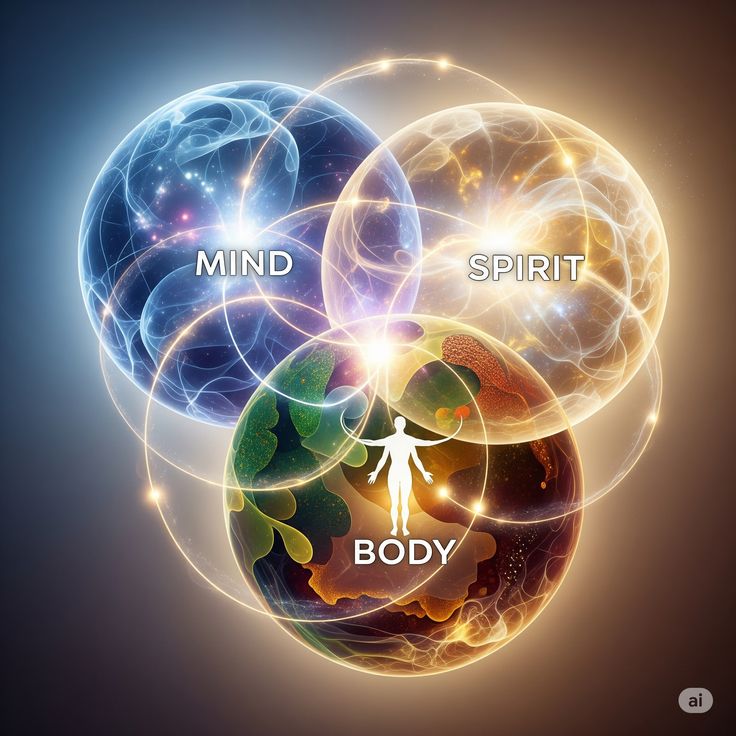
Wellness is often mistaken for the absence of illness. In truth, wellness is far more
comprehensive. It is a state of balance where the body is energetic, the mind is
peaceful, the emotions are stable, and the spirit is fulfilled. Wellness is not
achieved overnight; it is cultivated through daily choices and consistent habits.
A person may be physically fit but mentally stressed. Another may be financially
successful but emotionally exhausted. True wellness integrates multiple
dimensions — physical health, mental clarity, emotional resilience, social
connection, and spiritual alignment.
Modern life pulls us in many directions. Work demands attention, technology
competes for focus, and expectations create pressure. Amidst this constant rush,
wellness requires intentional pauses. It asks us to eat mindfully, move regularly,
rest adequately, think positively, nurture relationships, and reflect deeply.
Wellness is not a luxury reserved for free time; it is a necessity that sustains
productivity and happiness. When we neglect wellness, everything else gradually
weakens. When we prioritize wellness, every aspect of life improves.
Story
Harish was a successful entrepreneur who prided himself on his dedication to
work. He often skipped meals, slept late, and rarely exercised. “I’ll rest after I
achieve my goals,” he would say.
One morning, during an important meeting, he felt dizzy and had to be rushed to
the hospital. The diagnosis was not life-threatening, but it was a warning — stress,
lack of sleep, and poor lifestyle habits were affecting his health.
During recovery, Harish had time to reflect. He realized he had been chasing
success at the cost of his well-being. His family had often urged him to slow down,
but he dismissed their concerns.
Determined to change, Harish began small. He set fixed sleep hours, incorporated a
morning walk, ate balanced meals, and reserved time for family. Initially, these
changes felt inconvenient. However, within months, he noticed increased energy,
sharper focus, and improved mood.
Ironically, as he invested time in wellness, his productivity improved. He handled
challenges calmly and made better decisions.
Harish learned a simple yet powerful truth — wellness is not the enemy of
success; it is its foundation.
Activity
Reflect and write your responses:
1. Which dimension of wellness needs your attention most (physical, mental,
emotional, social, spiritual)?
2. Identify one habit that negatively impacts your wellness.
3. Write one small wellness practice you will begin this week.
Quote
“Take care of your body. It’s the only place you have to live.”
— Jim Rohn
Take Away
1. Wellness is the harmony of body, mind, and spirit.
2. Small, consistent habits build long-term well-being.
3. Prioritizing wellness strengthens productivity and life satisfaction.