
Theory
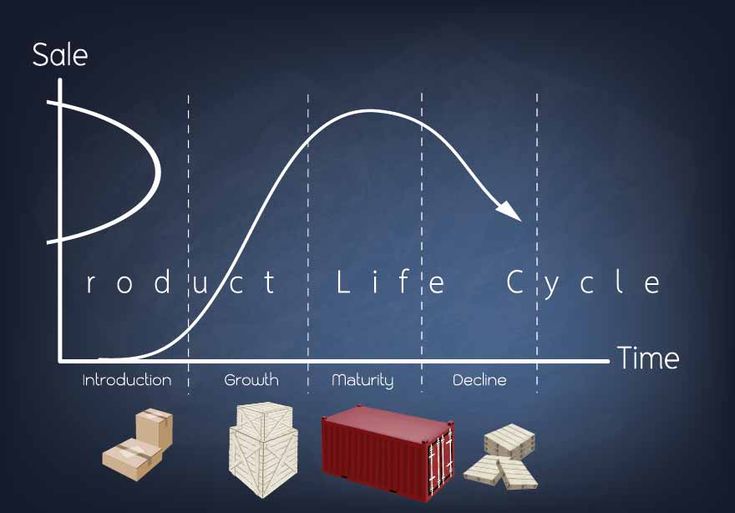
Every product goes through different stages in the market, from its introduction to
eventual decline. This journey is called the Product Life Cycle (PLC). It has four
major stages:
1. Introduction: The product is new to the market. Customers are curious but
hesitant, and awareness is low.
2. Growth: More customers begin accepting the product. Demand increases
through recommendations, reviews and wider awareness.
3. Maturity: The product becomes familiar and widely used. Customers
compare prices, quality, features and competing brands.
4. Decline: Demand starts falling as customer preferences change or newer
alternatives emerge. Only loyal or niche customers may continue buying.
Customer behaviour influences how quickly a product moves through these stages.
Successful businesses continuously understand changing customer needs and adapt
their products and marketing strategies accordingly.
Story
A company introduced a new range of healthy millet snacks. Initially, only a few
health-conscious customers tried the product. As positive reviews and
recommendations spread, demand increased rapidly.
Soon, several competitors entered the market. Customers began comparing prices,
flavours and quality. The company responded with new flavours and attractive
packaging.
A few years later, customer preferences shifted towards other healthy snack
options, and sales began declining. The company realized that it had to innovate or
risk losing its market.
Learning
A product does not enjoy the same customer response throughout its life. Curiosity
drives initial purchases, satisfaction and recommendations fuel growth,
comparisons influence maturity, and changing preferences can accelerate decline.
Activity
Choose a product you regularly use and identify:
1. Which stage of its life cycle is it currently in?
2. What type of customer behaviour do you observe?
3. What should the company do to sustain its market position?
Quote
“Marketing is a race without a finishing line.” — Philip Kotler
Take Away
1. Understand how customer preferences change across the product life cycle.
2. Adapt your marketing strategies to suit the behaviour of customers at each
stage.
3. Innovate continuously to remain relevant and competitive.