
Theory
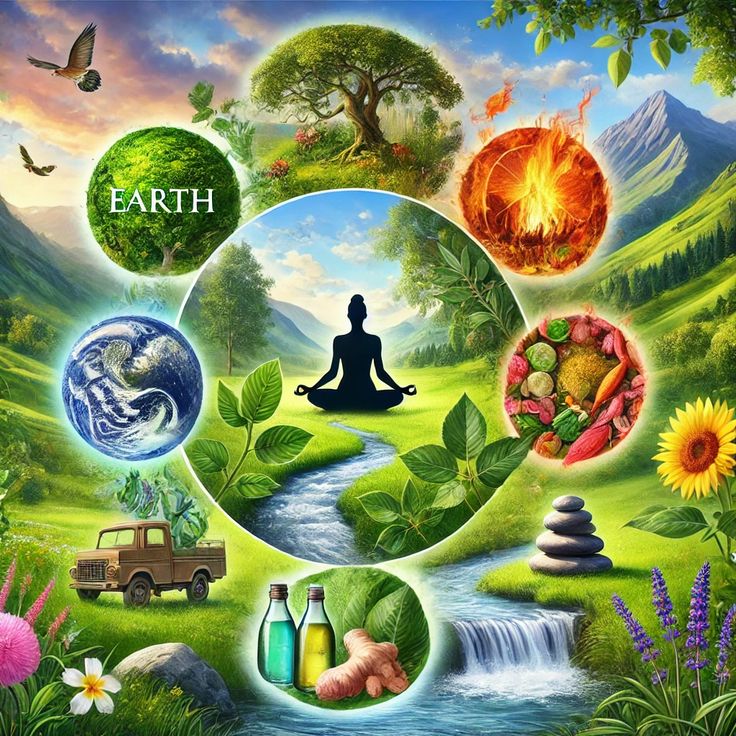
Eco-friendliness is not a trend or a slogan; it is a way of life. It refers to living in a
manner that causes minimal harm to the environment and contributes positively to
the well-being of our planet. Nature has been generously providing us with air,
water, food, and shelter, yet human actions driven by greed and convenience have
placed immense pressure on this delicate ecosystem.
Being eco-friendly begins with awareness — awareness that our everyday choices
matter. The plastic we use once, the water we waste unknowingly, the energy we
consume carelessly, and the trees we cut without replacement all leave lasting
footprints. Eco-friendliness calls for responsibility, moderation, and respect for
nature.
It does not demand drastic sacrifices; rather, it encourages small, conscious
actions practiced consistently. Conserving resources, reducing waste, reusing what
we can, recycling responsibly, and choosing sustainable alternatives are simple yet
powerful steps. When individuals adopt eco-friendly habits, they collectively
create a healthier environment for present and future generations.
To care for nature is to care for ourselves, for human survival is deeply intertwined
with the health of the planet we inhabit.
Story
Raghav lived in a busy city apartment and followed a routine like many others. He
used disposable cups, plastic covers, and left lights and taps on without a second
thought. Nature, to him, was something seen during vacations or in pictures.
One summer morning, the city faced an acute water shortage. Tankers arrived late,
queues grew longer, and tempers ran high. One evening, while waiting with
buckets in hand, Raghav noticed an elderly woman calmly collecting leftover
water from washing vegetables to water a small plant near her house.
Curious, he asked her why she bothered with such effort. She smiled gently and
said, “This plant reminds me that nature gives only if we care.” Her words stayed
with him.
Slowly, Raghav began changing small habits. He carried a cloth bag, switched off
unused lights, reduced water wastage, and planted a sapling on his balcony.
Months passed, and the changes felt natural, not forced.
One day, as he watered his plant, he realized something deeper — eco-friendliness
was not about saving the planet alone; it was about becoming more responsible,
mindful, and humane. Nature responded silently, but surely.
Activity
Reflect and write your responses:
1. List three daily habits of yours that may harm the environment.
1.
2.
3.
2. Write two eco-friendly habits you commit to practicing from today.
1.
2.
Quote
“We do not inherit the earth from our ancestors; we borrow it from our children.”
— Native American Proverb
Take Away
1. Eco-friendliness is a responsibility, not a choice.
2. Small, consistent actions can create a big environmental impact.
3. Caring for nature ensures a healthier future for humanity.