
Theory
Nomo phobia, the fear of being without a mobile phone, is a modern anxiety that
silently affects millions. The device that was designed to connect us has gradually
begun to control us. Many of us feel restless when the battery drains, anxious when
there is no network, and uneasy when the phone is not within reach.
The mobile phone has become more than a communication tool. It carries our
conversations, work, entertainment, validation, and even our sense of identity.
Over time, dependency develops unnoticed. We check notifications repeatedly,
scroll endlessly, and measure our worth by digital responses. This constant
stimulation keeps the mind distracted and fatigued.
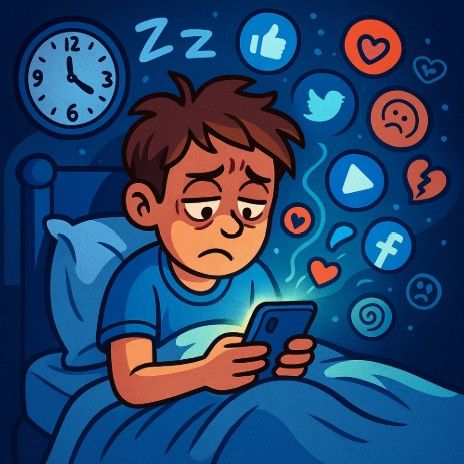
Nomo phobia reduces focus, disturbs sleep, weakens real-life relationships, and
increases stress. The irony is that while we stay digitally connected, we become
emotionally disconnected — from ourselves and from those around us.
Overcoming nomo phobia does not mean abandoning technology. It means
reclaiming control. It means using the phone as a tool rather than becoming its
servant. By creating boundaries, practicing mindful usage, and nurturing offline
connections, we restore balance between the digital world and real life.
Story
Anil realized something was wrong the day he misplaced his phone at home. He
searched frantically — under cushions, inside drawers, even in the refrigerator. His
heartbeat rose, and his palms began to sweat. For those few minutes, he felt as
though he had lost something far more important than a device.
When he finally found it in his car, relief washed over him. But that evening, the
incident lingered in his thoughts. Why had he panicked so intensely?
Anil began observing his habits. He checked his phone within minutes of waking
up. He scrolled during meals. He reached for it during conversations whenever
silence appeared. He even kept it beside his pillow at night.
One Sunday, he decided to try something radical — he switched off his phone for
two hours. The first fifteen minutes felt uncomfortable. He kept reaching for a
device that was not there. Gradually, the discomfort faded. He picked up a book he
had long ignored, spoke with his parents without interruption, and took a quiet
walk in the evening.
Those two hours felt surprisingly peaceful.
Over the next few weeks, Anil introduced small digital breaks into his routine. The
anxiety reduced, his focus improved, and his sleep deepened. He realized that
freedom was not in abandoning technology, but in mastering his habits.
Anil learned a subtle but powerful lesson — when we disconnect from the
screen, we reconnect with life.
Activity
Reflect and write your responses:
1. How many hours do you spend daily on your mobile phone (excluding
essential work)?
2. Identify one situation where phone usage interrupts real-life connection.
3. Write one digital boundary you will implement this week (e.g., no phone
during meals, screen-free hour before bed).
Quote
“The greatest technology we possess is the human mind. Let it not be enslaved by
the devices it created.”
Take Away
1. Nomo phobia is a silent dependence that affects focus and emotional well-
being.
2. Mindful phone usage restores balance between digital life and real life.
3. True connection begins when we reclaim control over our habits.