
Theory
For many years, degrees have been considered the primary pathway to a
successful career. They represent formal education, academic achievement, and
foundational knowledge. While degrees continue to hold value, the modern
world is increasingly recognizing that skills, not just qualifications, determine
real success.
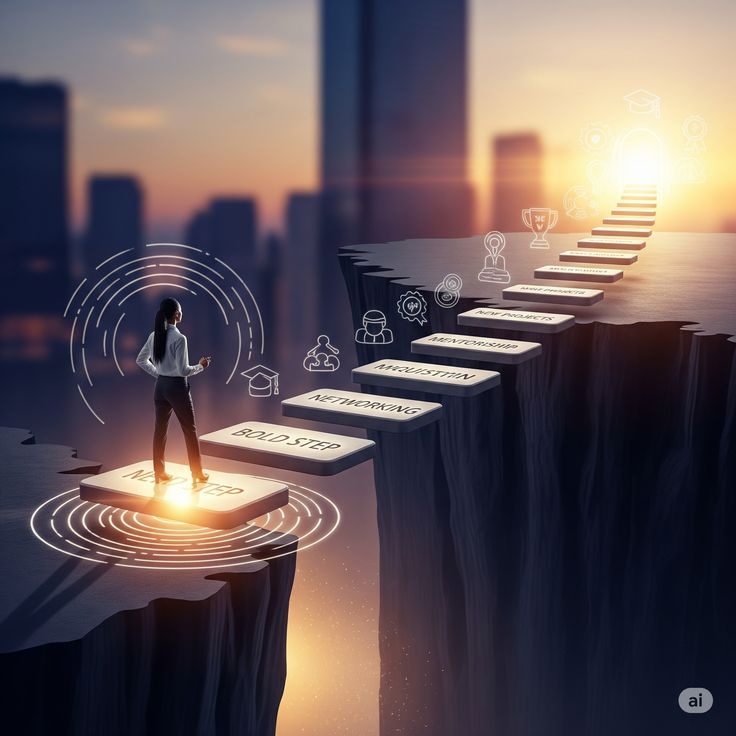
A degree may open doors, but skills decide how far we go once inside.
Employers today look for individuals who can think critically, communicate
effectively, solve problems, adapt to change, and apply knowledge in practical
situations. These abilities cannot be measured by certificates alone.
The pace of change in industries, driven by technology and innovation,
demands continuous learning. Skills can become outdated if not upgraded,
whereas the ability to learn and apply new skills keeps individuals relevant. In
this context, a degree becomes a starting point, not the destination.
This does not mean degrees are unimportant. Rather, they must be
complemented by skill development. Practical exposure, hands-on experience,
communication, digital literacy, and problem-solving abilities create a strong
professional foundation.
In essence, careers are built not only on what we have studied, but on what we
can consistently do and deliver.
Story
Deepak and Rahul graduated from the same college with similar degrees. Both
entered the job market with equal expectations. Initially, their journeys seemed
similar.
However, over time, their approaches began to differ.
Deepak focused on continuously upgrading his skills. He learned new tools,
improved his communication, took up small projects, and actively sought
feedback. He believed that learning did not end with his degree.
Rahul, on the other hand, relied primarily on his academic qualification. He
expected opportunities to come based on his degree and hesitated to step outside
his comfort zone.
As months passed, Deepak began gaining recognition for his ability to solve
problems and deliver results. He was given more responsibilities and
opportunities to grow. Rahul found himself struggling to keep pace with
changing expectations.
Years later, the difference was evident. Deepak had built a strong career based
on his skills, while Rahul realized that his degree alone was not enough.
Deepak’s journey reflected a powerful truth — a degree may certify
knowledge, but skills demonstrate capability.
Activity
Reflect and write your responses:
1. List three key skills relevant to your career that you currently possess.
1.
2.
3.
2. Identify one skill you need to develop to grow in your career.
3. Write one action you will take this month to build that skill.
Quote
“The future belongs to those who can do more than what their degree says.”
Take Away
1. Degrees provide knowledge; skills create real-world impact.
2. Continuous skill development is essential for career growth.
3. Success depends on the ability to apply, adapt, and deliver.