
Theory
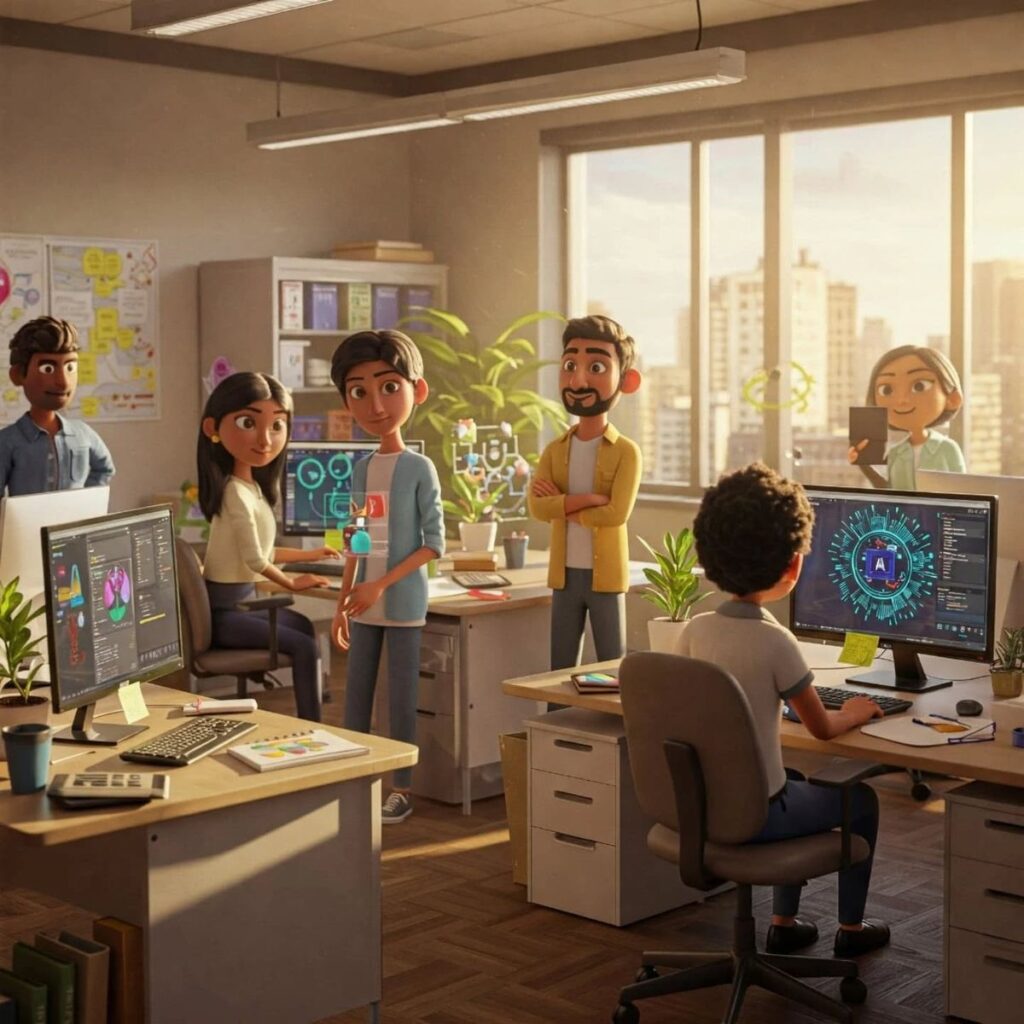
The modern workplace is witnessing the rise of a new behavioural pattern often
referred to as Gen C — the Connected Generation. Unlike traditional generational
labels, Gen C is not defined by age, but by mindset. It represents individuals who
are constantly connected through technology, driven by content, collaboration, and
continuous communication.
Gen C employees are digitally fluent, quick to adapt, and comfortable with
multitasking. They seek instant access to information, prefer flexible work
environments, and value meaningful engagement over rigid hierarchies. They are
expressive, collaborative, and often driven by purpose rather than just position.
However, this connectedness also brings challenges. Short attention spans,
dependence on digital validation, impatience for results, and difficulty in deep
focus can affect productivity. Face-to-face communication may sometimes be
replaced by digital interactions, leading to gaps in emotional connection.
Understanding Gen C behaviour is essential for organizations and leaders. It
requires balancing flexibility with discipline, speed with depth, and connectivity
with mindfulness. When guided well, Gen C can bring innovation, agility, and
energy into the workplace. When misunderstood, it may lead to distraction and
disengagement.
The key lies in channelizing their strengths while nurturing focus, responsibility,
and interpersonal skills.
Story
A team in a growing organization was working on a critical project. Among them
was Riya, a young professional known for her creativity and quick problem-
solving skills. She was always connected — responding to messages instantly,
sharing ideas on digital platforms, and collaborating actively.
However, her manager noticed something concerning. While Riya contributed
many ideas, she often struggled to complete tasks that required deep focus and
sustained effort. She frequently switched between tasks and relied heavily on quick
updates rather than detailed work.
Instead of criticizing her, the manager decided to guide her. He assigned her a
project segment that required focused attention and set clear milestones. He also
encouraged her to block distraction-free time during the day.
Initially, Riya found it difficult. The urge to check messages and switch tasks was
strong. But gradually, she adapted. She began experiencing the satisfaction of
completing meaningful work with depth.
Over time, Riya balanced her connectivity with concentration. Her creativity
remained intact, but her execution improved significantly.
She realized an important lesson — being connected is a strength, but being
focused is a necessity.
Activity
Reflect and write your responses:
1. Do you find yourself constantly switching between tasks or digital
platforms?
2. How does this behaviour impact your productivity and focus?
3. Write one strategy you will adopt to improve deep work and reduce
distractions.
Quote
“Technology is a useful servant but a dangerous master.”
— Christian Lous Lange
Take Away
1. Gen C represents a connected, collaborative, and digitally driven mindset.
2. Connectivity must be balanced with focus and discipline.
3. Deep work and mindful usage of technology enhance productivity and
performance.