
Theory
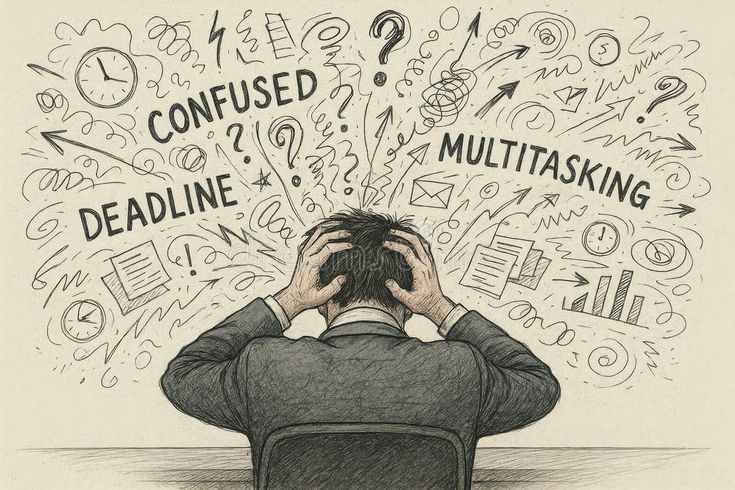
Procrastination is often misunderstood as laziness. In reality, it is a complex
behaviour driven by various emotional, psychological, and cognitive factors. To
overcome procrastination effectively, it is important to first understand why it
happens.
Let us reflect on twelve common reasons:
1. Fear of Failure – Avoiding tasks due to the possibility of not succeeding.
2. Perfectionism – Delaying action until conditions feel “perfect.”
3. Lack of Clarity – Not knowing where or how to begin.
4. Overwhelm – Feeling that the task is too large or complex.
5. Lack of Motivation – Absence of interest or emotional connection to the
task.
6. Distractions – Easy access to activities that provide instant gratification.
7. Poor Time Management – Inability to prioritize effectively.
8. Low Self-Belief – Doubting one’s ability to complete the task.
9. Fear of Judgment – Concern about how others will perceive the outcome.
10. Decision Fatigue – Exhaustion from making too many choices.
11. Comfort Seeking – Preference for ease over effort.
12. Lack of Accountability – Absence of external or internal responsibility.
Each of these factors may act individually or together, creating resistance to action.
Procrastination is not simply about delaying tasks; it is about avoiding discomfort.
Understanding these reasons shifts our perspective. Instead of blaming ourselves,
we begin to address the underlying causes and take conscious steps toward action.
Story
Nitin had been postponing an important certification course for months. Every
weekend, he planned to start, but somehow the day would pass without progress.
He blamed his schedule, distractions, and lack of time.
One day, during a conversation with a mentor, Nitin was asked to write down the
reasons for his delay. As he reflected, he discovered something unexpected.
He was afraid of not performing well in the course. He wanted to complete it
perfectly, and the thought of falling short made him hesitant to begin. At the same
time, he felt overwhelmed by the syllabus and unsure where to start.
The realization was eye-opening.
Instead of continuing to delay, Nitin decided to break the course into small sections
and commit to studying for just thirty minutes daily. He also reminded himself that
progress mattered more than perfection.
Slowly, the resistance reduced. What once felt overwhelming became manageable.
Nitin understood a powerful truth — procrastination hides reasons that must be
understood before they can be overcome.
Activity
Reflect and write your responses:
1. Which of the twelve reasons most applies to your procrastination?
2. How does this reason affect your actions and outcomes?
3. Write one step you can take to address this specific reason.
Quote
“The secret of getting ahead is getting started.”
— Mark Twain
Take Away
1. Procrastination is driven by multiple underlying factors, not laziness.
2. Identifying the root cause helps in taking effective action.
3. Small, consistent steps reduce resistance and build momentum.