
Theory
Modern life often keeps the mind in a constant state of activity. Deadlines,
responsibilities, digital distractions, and emotional pressures create stress that
slowly affects both body and mind. While external situations may not always be
under our control, our response to them can be consciously shaped. This is where
meditation, mindfulness, and relaxation response become powerful tools for
stress release.
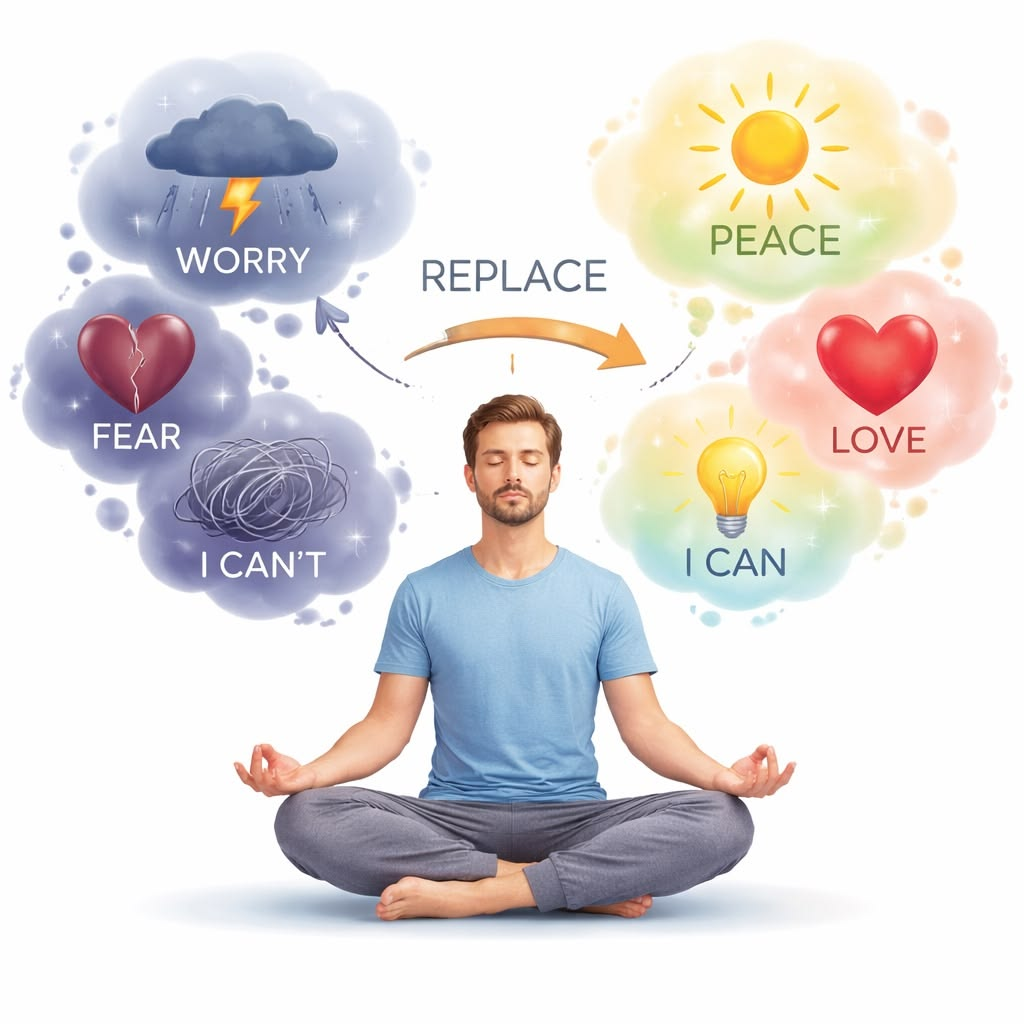
Meditation is the practice of calming and centering the mind through focused
attention or awareness. It helps reduce mental noise and enhances emotional
balance.
Mindfulness is the ability to remain fully present in the current moment without
judgment. Instead of worrying about the future or replaying the past, mindfulness
brings attention to the “now.”
The relaxation response is the body’s natural counter to stress. Through deep
breathing, calm awareness, and intentional relaxation, the body shifts from tension
to restoration. Heart rate slows, breathing becomes steady, and the mind regains
clarity.
These practices do not remove all problems from life. Instead, they strengthen our
inner ability to respond calmly and wisely. Over time, they improve focus,
emotional resilience, sleep quality, and overall well-being.
In silence and awareness, the mind discovers peace that external circumstances
cannot provide.
Story
Arvind was known as a hardworking professional, but stress had quietly become a
constant companion in his life. His mind was always racing — work targets,
unfinished tasks, financial concerns, and endless notifications consumed his
attention.
Even during family time, his thoughts remained elsewhere. Sleep became
disturbed, and irritation increased.
One evening, after a particularly exhausting day, a close friend suggested that he
try simple breathing meditation for ten minutes daily. Arvind was skeptical. He
believed he did not have time for such practices.
Still, he decided to try.
The first few days felt difficult. His mind wandered constantly. However, he
continued patiently. Slowly, he began noticing subtle changes. His breathing
became calmer, his reactions became less impulsive, and moments of peace started
appearing in his day.
Encouraged, Arvind also practiced mindfulness during simple activities —
drinking tea, walking, and listening during conversations. He realized how often he
had been physically present but mentally absent.
Months later, his workload had not reduced, but his stress had. The outer world
remained busy, yet his inner world became calmer.
Arvind learned a profound lesson — peace is not found by escaping life, but by
learning to be fully present within it.
Activity
Reflect and write your responses:
1. What is the biggest source of stress in your life currently?
2. Which practice would you like to begin — meditation, mindfulness, or
relaxation breathing?
3. Write a specific time you will dedicate daily for this practice.
Quote
“The mind is everything. What you think, you become.”
— Buddha
Take Away
1. Meditation and mindfulness calm the mind and reduce stress.
2. The relaxation response restores balance to the body and emotions.
3. Inner peace develops through consistent awareness and practice.